A lot. More than most buyers realize. I have seen two properties on the same lake, same size, similar houses, differ by hundreds of thousands of dollars because of shoreline quality alone. If you are buying a lake home, shoreline should be near the top of your evaluation list, not an afterthought.
The Shoreline Hierarchy
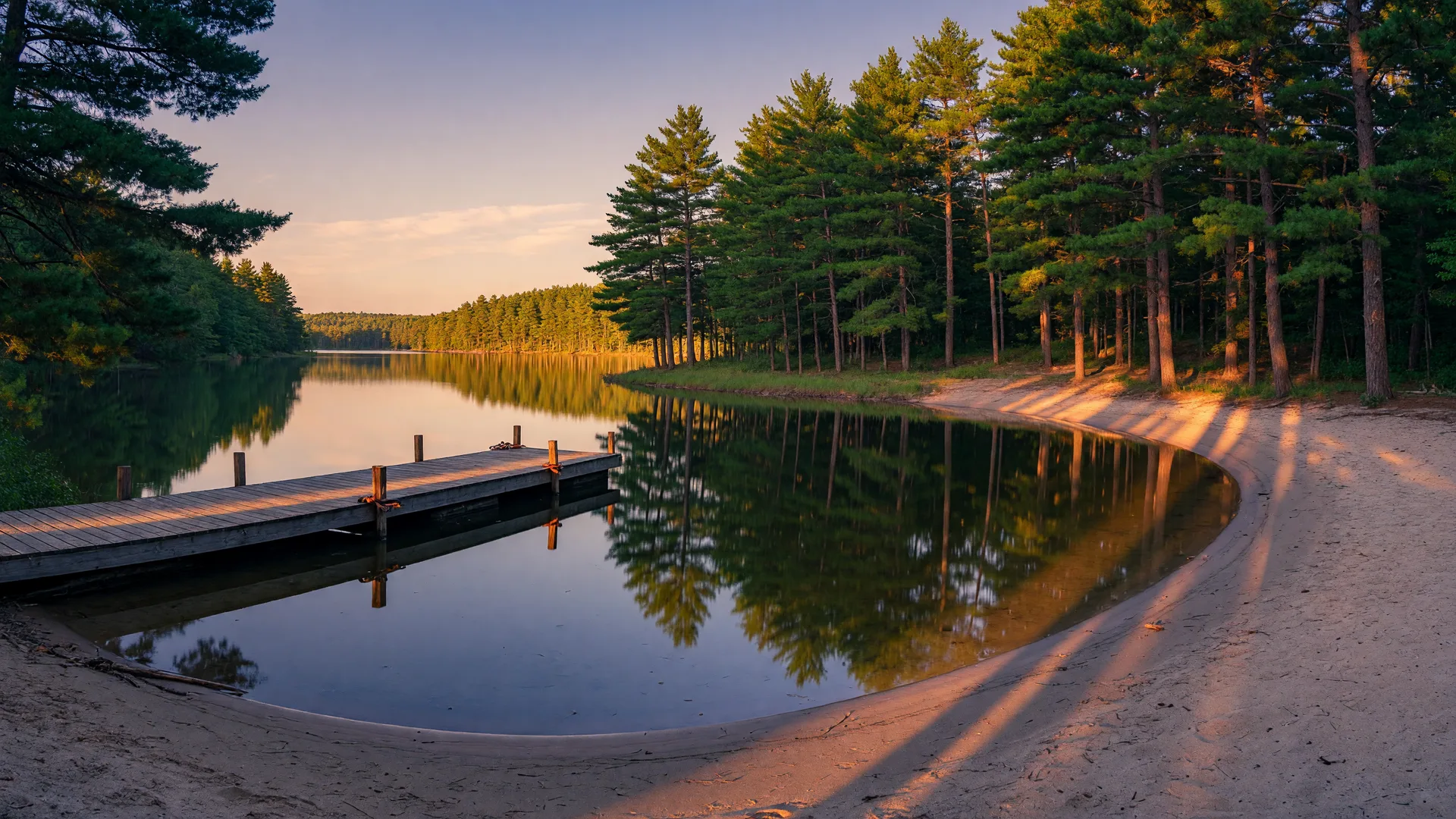
Sand shoreline. This is gold. A sandy-bottom shoreline with gradual depth makes for great swimming, easy dock installation, and high buyer demand. Sand shoreline commands the highest premium of any shoreline type. If you find a property on a desirable lake with 100 feet of sand frontage, you have found something special.
Gravel or cobble shoreline. Still good. Gravel and small cobble shoreline can be pleasant for swimming with water shoes and is generally stable. It does not carry the same premium as sand, but it is not a negative either. Most buyers find it acceptable.
Rocky shoreline. This is where value starts to drop. Large rocks make swimming difficult and dock installation more complex. Some rocky shoreline is picturesque, but it limits usability. Buyers will discount a property with significantly rocky shoreline, especially if the neighboring properties have sand.
Mucky or weedy shoreline. This is the red flag. Mucky bottom, heavy weeds, or algae accumulation dramatically reduce the usability of the water. Swimming is unpleasant, and the property feels less like a lake home and more like a property that happens to be near water. These properties sell at a significant discount, and they are harder to resell.
Frontage Matters Just as Much
Shoreline quality and frontage work together. A property with 150 feet of sand frontage is worth substantially more than a property with 50 feet of sand frontage on the same lake. But a property with 200 feet of mucky shoreline is still a hard sell. Frontage amplifies the quality of the shoreline, but it cannot fix poor quality.
Elevation and Erosion
The elevation of the lot relative to the water also affects value. A level lot where you can walk directly from the house to the lake is ideal. A steep lot with many stairs limits the audience, especially for older buyers or families with young children. Erosion is another factor. Active shoreline erosion can be expensive to stabilize and may limit what you can do with the property.
Can You Improve Shoreline?
Sometimes, but it is not simple. Adding sand to a mucky shoreline often requires permits and may not be permanent. Riprap (rock armoring) can stabilize erosion but changes the character of the shoreline. Seawalls can protect the bank but are expensive and can create maintenance issues. Before you buy a property thinking you will fix the shoreline, talk to someone who understands DNR regulations and shoreline restoration. Not every shoreline problem has a practical solution.
My Advice
When you are looking at lake properties, evaluate the shoreline before you evaluate the house. Good shoreline on a mediocre house is a better long-term investment than a great house on bad shoreline. The house can be updated. The shoreline is what it is.
And if you are selling, understand that your shoreline quality is one of the biggest factors in your pricing. If your shoreline is not sand, price the property accordingly and market the features that do stand out: privacy, views, location, or the quality of the home itself.

Noah Goedker
Realtor · Elevate Group · eXp Realty
Third-generation Brainerd Lakes Area real estate agent. I help buyers understand what makes a lake property valuable and what does not.